My First Steps in IT Career
How I went from skipping university classes to landing my first sysadmin job — the CV, the interview, and the questions they asked.
At 20, second year of Computer Science, I was barely showing up to classes. Not because I wasn’t interested in tech — I’d been running servers since I was around 11 or 12, first Metin2 and CS:GO communities where I was doing admin work, dealing with MySQL not talking properly to the site, figuring out why users couldn’t register, that kind of thing. University just felt disconnected from any of that.
Dacian was the one who actually got me moving. We’d run an online gaming community together back in 2012, so he knew exactly what I was into. When he spotted a System Administrator listing at a company called Netex, he basically told me I was applying. Sysadmin roles are rare around here — most people still equate IT with programming — so this one stood out.
My first CV was written in Notepad. I printed a physical copy to bring with me just in case, because I genuinely had no idea if sending it digitally was enough.
Shoutout to @Dacian for the push — wouldn’t have moved without it.
The Interview
I dropped off the CV at their headquarters and was told HR would follow up. About a week later they called to schedule. The interview was with an HR rep and the IT department head — conference room, pretty standard. They introduced the company, asked me to talk about my experience and what I was looking for.
I had the logic for most things but not always the right vocabulary to go with it. Turned out that was fine — the conversation ended up more relaxed than I expected because of it.
The Questions
If you’re a beginner, try to answer these before opening them.
What is the administrator user in Linux?
root, UID 0.
How do you see which ports are open on a Linux machine?
ss -tulpn — listening TCP and UDP sockets, with the process that owns each. I answered netstat -tulpen, which does the same on older systems.
And on a remote machine?
nmap <host> — it scans from the outside, so it shows what’s reachable, not just what’s listening.
What are the basic file permissions?
r read (4), w write (2), x execute (1) — set separately for the owner, the group and everyone else, so chmod 750 is rwx / r-x / ---.
Which ports do HTTPS, SSH, IMAP, SMTP and DNS use?
HTTP 80, HTTPS 443, SSH 22, IMAP 143 (993 over TLS), SMTP 25 (587 for client submission), DNS 53. I only knew the first three by heart and said I’d look the rest up — grep -i imap /etc/services.
What is /etc/shadow?
The file that holds local users’ password hashes, with password-ageing fields. Unlike /etc/passwd it isn’t world-readable.
The Offer
The day after I actually went to a lecture — enrolled in Timișoara, commuting from my hometown, attendance wasn’t great. I wouldn’t recommend it; I think university is genuinely useful, it just wasn’t landing for me at the time.
I hadn’t finished the class when my phone rang. Got the job.
Slightly above minimum wage. I didn’t care about the salary, I just wanted to be doing something real. Everything after that is on the about page. Still grab a beer with my former department head sometimes.
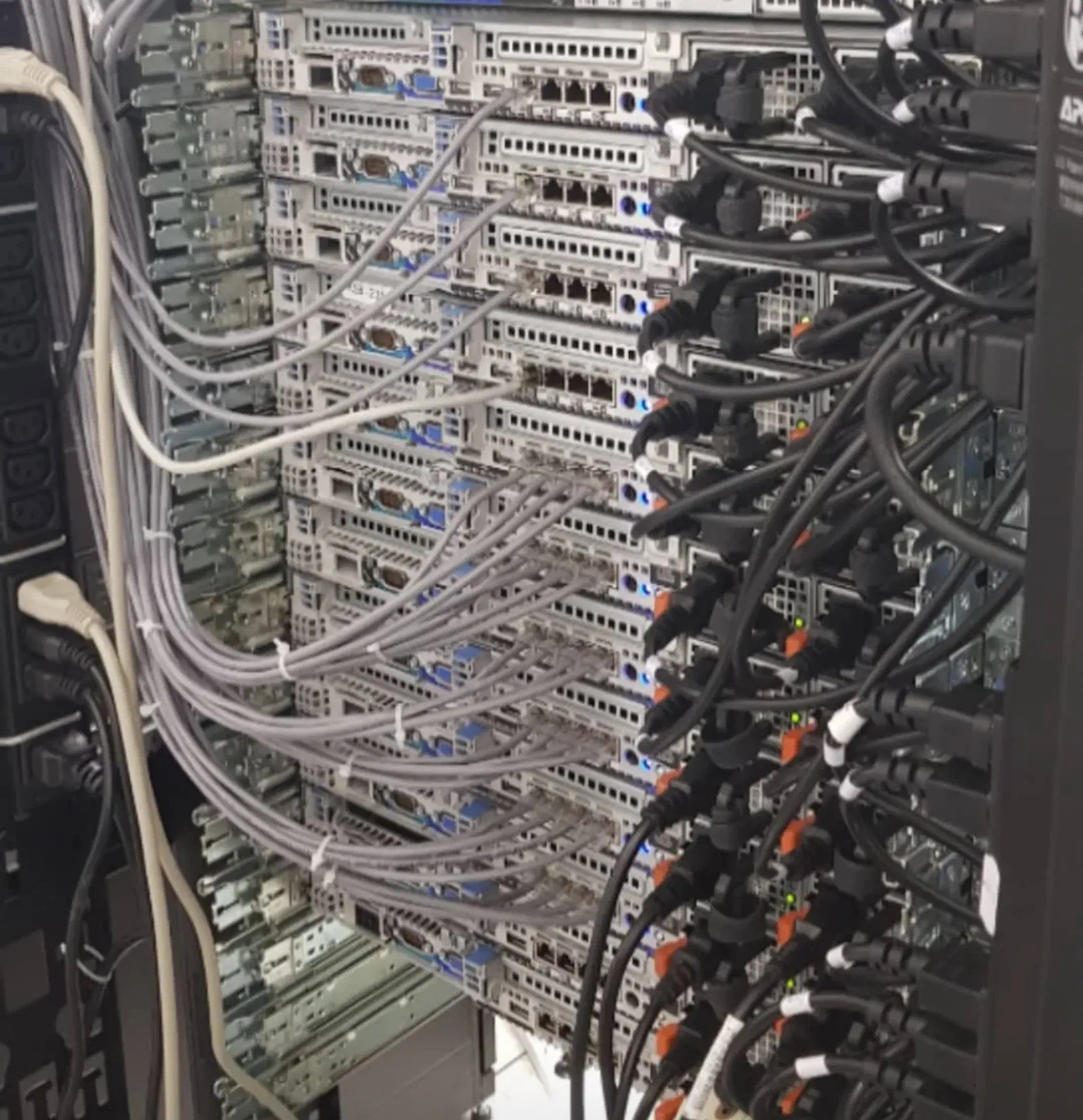
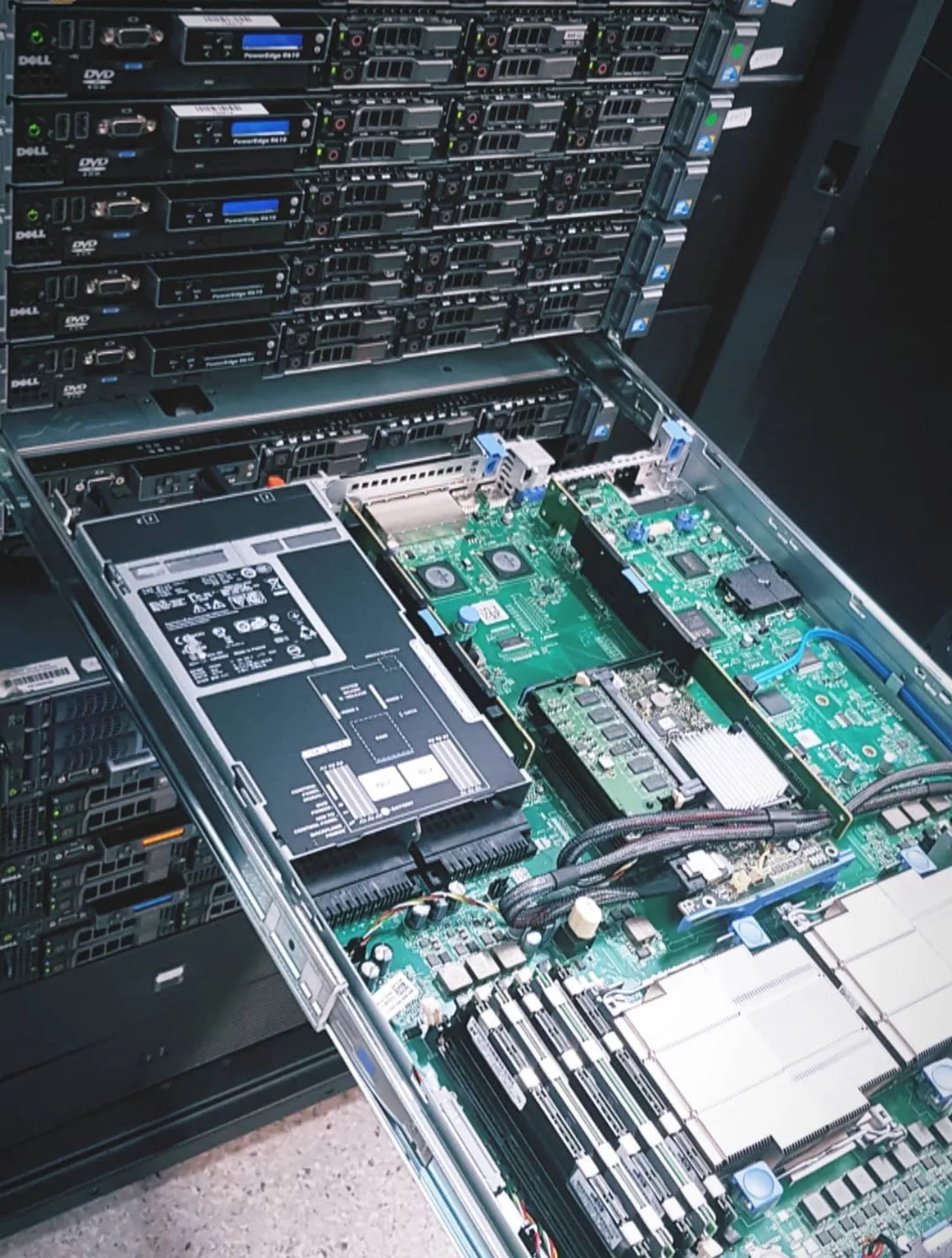
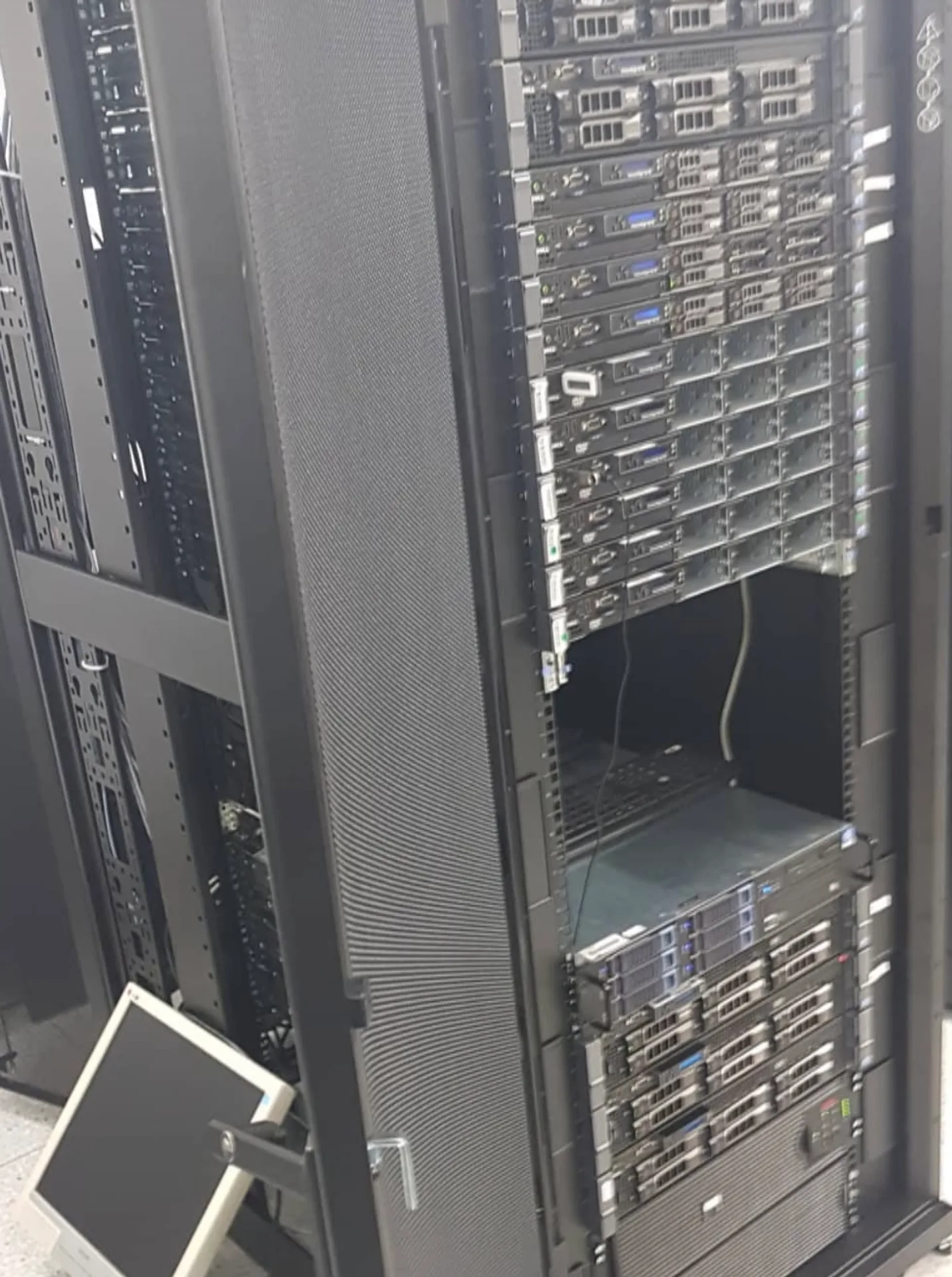
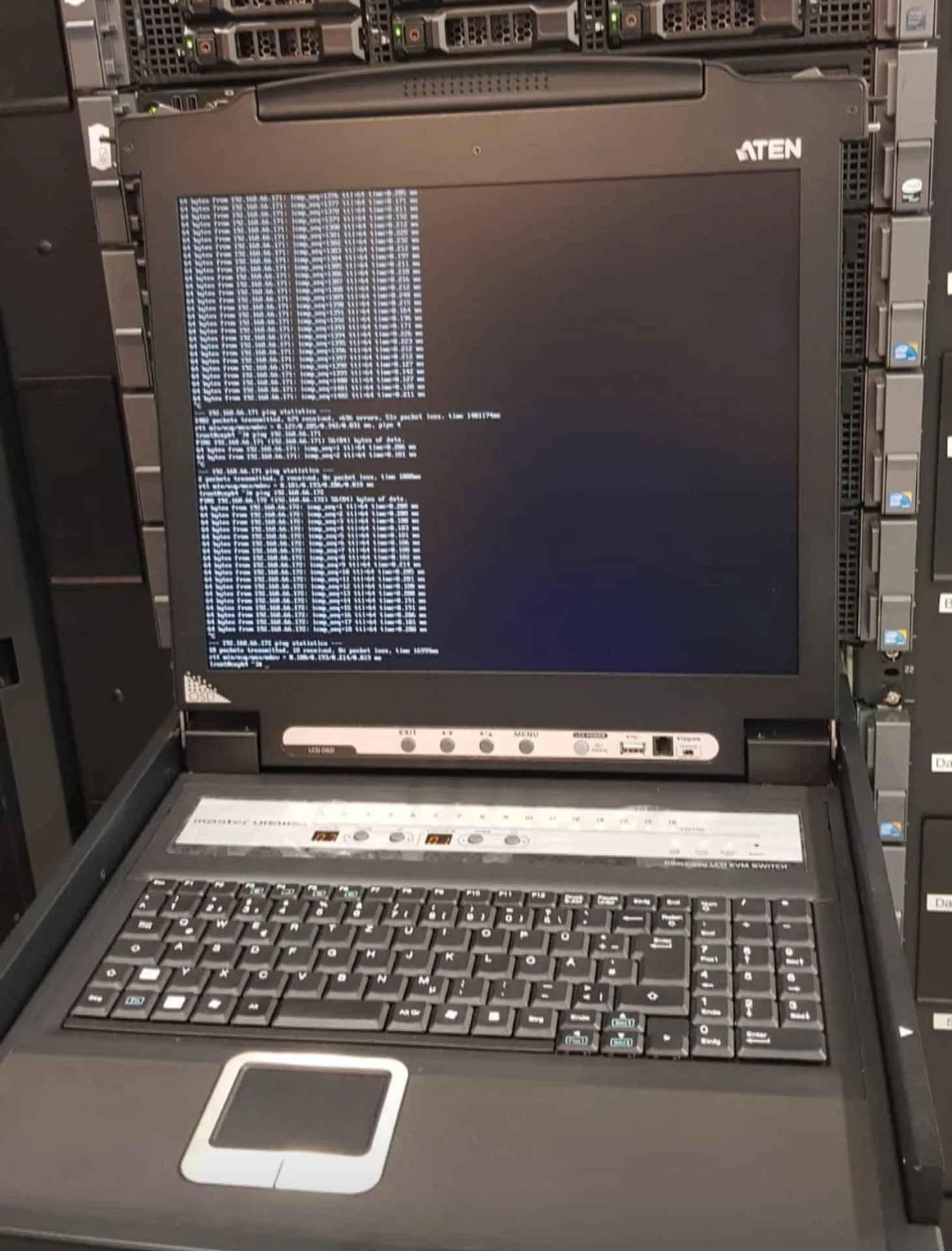
A few photos from that period: